If you lead a clinic in Auburn, Grass Valley, Marysville, or anywhere else north of the Sacramento metro, you already know the hardest part of rural healthcare recruitment in California is not finding clinicians who could do the job. It is convincing one to drive past three metro health systems, take your offer, and build a life in your community. The clinics that fill rural and underserved roles consistently are not the ones with the deepest pockets. They lead with the right incentives, tell the truth about the tradeoffs, and move fast when a real candidate shows up.
Pure Heart Staffing places physicians, nurse practitioners, nurses, dentists, and behavioral health clinicians at FQHCs, tribal health programs, and community clinics across Sacramento and Northern California. Here is what we see working for underserved area hiring, and what quietly kills searches.
Why rural healthcare recruitment in California is so hard
California does not have enough clinicians to go around, and the shortage lands hardest outside the metros. Most new graduates train in cities, their spouses often work in cities, and metro systems can usually outbid a community clinic on base pay. Add thinner call coverage, longer referral distances, and housing markets that are cheaper but tighter than people expect, and searches drag on for months.
None of that means your roles cannot be filled. It means a posting written with metro assumptions will sit unanswered. Rural clinic staffing works when the whole approach answers the question every candidate is silently asking: why would I move there?
Lead with HPSA recruitment incentives, not apologies
Your strongest recruiting asset is probably buried in paperwork. Most rural and underserved sites in Northern California sit in a Health Professional Shortage Area (HPSA), and that designation unlocks money metro employers usually cannot offer.
- NHSC loan repayment. At NHSC-approved sites, primary care physicians, NPs, and PAs can currently earn up to $75,000 tax-free on an initial two-year, full-time contract, and behavioral and oral health clinicians up to $50,000, with continuation awards after that. For a clinician carrying typical graduate debt, that can outweigh a metro pay gap on its own. (Our NHSC loan repayment guide walks through eligibility.)
- Public Service Loan Forgiveness. Most community clinics are 501(c)(3) nonprofits, so full-time work there typically counts toward PSLF.
- State and tribal programs. The California State Loan Repayment Program supports primary care, dental, and behavioral health clinicians in shortage areas, and tribal and urban Indian health sites may qualify for the IHS Loan Repayment Program (up to $50,000 per two-year contract). Clinicians generally cannot hold two government loan repayment awards with service commitments at the same time, so help candidates pick the best fit rather than promising the programs stack.
Put your HPSA score and site eligibility in the job posting itself, in plain English, with the dollar figures. Do not make candidates discover in a second interview that the job comes with loan repayment. That is the headline.
Sell the community, not just the position
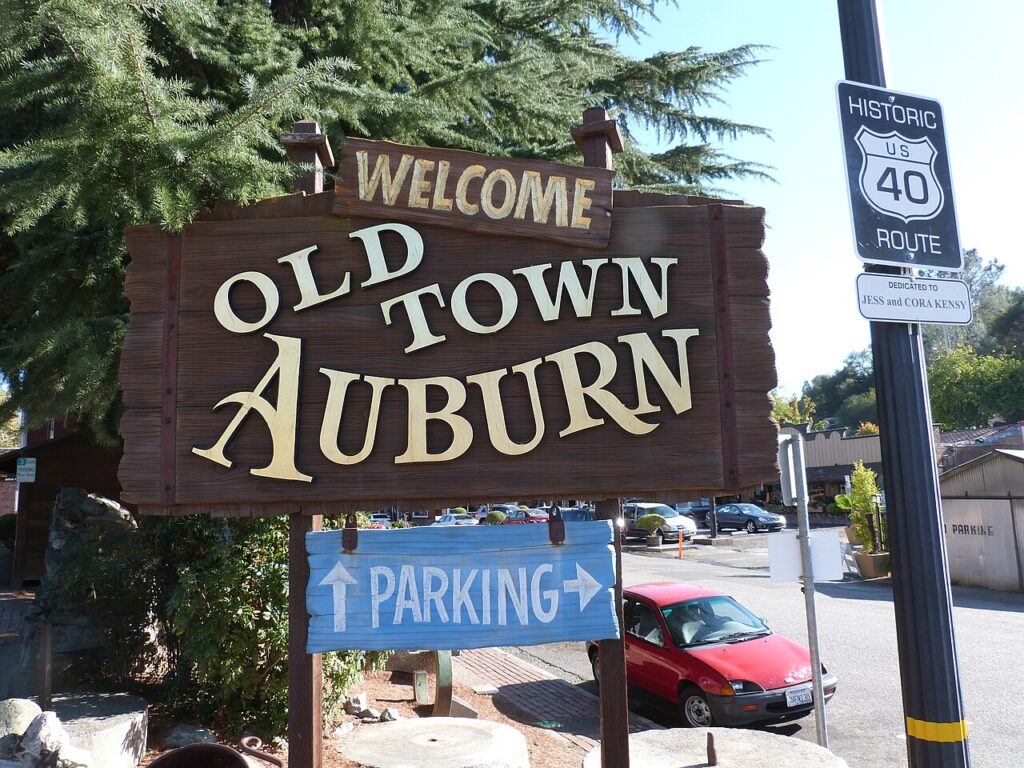
Clinicians do not decline rural offers because of the clinic. They decline because they cannot picture their life there. The clinics that win treat the community as part of the offer: a real tour with time in town, not just the facility; an honest conversation about schools, housing, and commute; an introduction to another clinician who made the same move.
Northern California has a strong story to tell: housing that costs a fraction of the Bay Area, no two-hour commute, Tahoe and the Sierra within reach, and patient panels where a clinician is needed rather than interchangeable. Tell that story, and tell the other side too. If the on-call schedule is heavier than a metro job or the nearest specialty referral is forty minutes away, say so up front. Candidates who accept with full information stay. Candidates who find out after they start do not.
Get the compensation conversation real
Candidates often ask whether rural jobs pay more. In community health the honest answer is: sometimes, and the base number is only part of the math. Some rural sites pay a premium to offset location, but many community clinics cannot match a metro hospital on salary alone. What changes the picture is the full package: loan repayment, FTCA malpractice coverage at HRSA-deemed health centers, a saner schedule, and a lower cost of living that makes the same dollar go further.
Publish a real number or range rather than “competitive.” Be realistic about relocation help, which at community clinics typically means receipts-based reimbursement, often in the low five figures, not the six-figure packages hospital systems advertise. Vague comp reads as low comp, and candidates filter accordingly.
Move faster than the metro systems
Speed is the one advantage any clinic can choose. Physician searches commonly run six months or longer, and candidates for every role tend to take the first solid offer in hand. A small clinic cannot out-bureaucracy a health system, so do not try. Decide before the search what the role pays, who interviews, and what a yes requires. Two interview rounds, scheduled within days of each other, is enough for almost every role. Start credentialing and payer enrollment in parallel the moment you extend an offer, not after the start date is set. And if a seat has been open long enough to strain the team, consider contract coverage while the permanent search runs, so you are recruiting from stability instead of desperation.
Rural Healthcare Recruitment in California: Frequently Asked Questions
Why do rural areas struggle to recruit clinicians?
Most clinicians train in metro areas, many have partners with metro careers, and large health systems can usually offer a higher base salary. Rural clinics also tend to have heavier call, longer referral distances, and tight housing markets. The shortage is real, but clinics that lead with loan repayment, honest information about the community, and a fast hiring process still fill roles.
Why would a clinician choose to work in rural healthcare?
The strongest reasons are financial and personal: NHSC loan repayment of up to $75,000 for primary care clinicians at approved sites (up to $50,000 for behavioral and oral health), a lower cost of living, broader scope and autonomy, a patient panel that depends on them, and easy access to the outdoors. Many clinicians also stay for the sense of being part of a community rather than one name on a large roster.
What qualifies as a Rural Health Clinic, and what are the two types?
A federally certified Rural Health Clinic must be located in a non-urbanized area that HRSA has designated as a shortage or medically underserved area within the last four years. The two types are provider-based clinics, which operate as part of a hospital, nursing home, or home health agency, and independent clinics, which are freestanding. Medicare pays Rural Health Clinics an all-inclusive rate per visit (RHIhub has a good overview).
How much do doctors get paid in rural areas?
It varies widely. Some rural sites pay a premium to offset location, while many community clinics offer a lower base salary than metro hospitals and make up the difference with loan repayment, FTCA malpractice coverage, and a more predictable schedule. Publishing a real salary range is the fastest way to learn whether your offer is competitive, and Pure Heart Staffing can benchmark it against current Northern California searches.
Hiring for a rural or underserved clinic?
Pure Heart Staffing works these searches every week for community health centers, tribal health programs, and county contracts across Northern California. If you want an honest read on whether your role, comp, and process will land with today’s candidates, reach out to our team or see how we partner with employers. If the fix is something you can do without an agency, we will tell you that too.
Header photo: “Broad Street Downtown Area in Nevada City, California” by Frank Schulenburg via Wikimedia Commons, CC BY-SA 4.0
Pure Heart Staffing | With Your Best Interest at Heart | pureheartstaffing.com