If you are a nurse, NP, dentist, or behavioral health clinician in Sacramento weighing FQHC salary vs hospital pay, you have likely noticed that the hospital’s base number is usually bigger. What the offer letter does not show is everything behind that number: loan repayment, malpractice coverage, retirement, schedule, and what your week actually feels like. Below are the real tradeoffs between community health center pay and hospital pay, so you can compare two offers honestly.
Pure Heart Staffing places nurses, advanced practice providers, dental professionals, and behavioral health clinicians at FQHCs and health systems across Sacramento and the Bay Area. Here is the honest comparison we walk candidates through every week. Already job hunting? Browse our current Sacramento-area openings.
FQHC Salary vs. Hospital Pay: The Short Answer
On base pay alone, hospitals usually win. Sacramento’s large systems run union pay scales with built-in step increases and shift differentials, and they are competing hard for clinical staff. Federally Qualified Health Centers, which run on grant funding and enhanced Medicaid and Medicare rates, typically offer base pay that lands somewhere around 10 to 25 percent below a comparable hospital role.
As a rough current picture: a staff RN at a Sacramento hospital often earns in the $55 to $75+ per hour range once differentials are counted, while an FQHC clinic RN role typically posts closer to $42 to $58 per hour. NPs and PAs at health systems commonly see $140K to $180K, versus roughly $125K to $160K at community health centers. These are market ranges, not promises — individual offers vary by experience, specialty, and site. For official metro-level figures, the BLS Occupational Employment and Wage Statistics survey is a good second reference. Stop at the base number and the hospital almost always looks better, which is exactly why you should not stop there.
Where FQHCs Claw It Back: Loan Repayment, PSLF, and FTCA
The strongest FQHC benefits never show up in the hourly rate. Three matter most.
- Loan repayment. Most Sacramento-area FQHCs sit in federally designated shortage areas, which can qualify their clinicians for National Health Service Corps loan repayment: up to $75,000 tax-free for primary care physicians, NPs, and PAs, and up to $50,000 for dentists, dental hygienists, and behavioral health clinicians, in exchange for a two-year service commitment. RNs are not NHSC-eligible, but they can apply to the Nurse Corps Loan Repayment Program, which pays up to 85 percent of nursing school debt (that award is taxable). For a clinician carrying student debt, a $25,000-a-year tax-free award is worth more than a $10-an-hour raise. Our NHSC loan repayment guide covers eligibility in detail.
- Public Service Loan Forgiveness. Nearly all FQHCs are 501(c)(3) nonprofits or public agencies, which makes them qualifying PSLF employers. After 120 qualifying monthly payments (10 years) while working full-time for a qualifying employer, the remaining federal Direct Loan balance is forgiven. Nonprofit and public hospitals qualify too; for-profit hospitals do not.
- FTCA malpractice coverage. At FTCA-deemed health centers (most HRSA-funded FQHCs), clinicians are covered under the Federal Tort Claims Act, so the federal government stands behind your malpractice protection and you typically pay no personal premium. Coverage applies to employees and certain individual contractors, so if you are placed on contract, ask how you are covered. For dentists and advanced practice providers, that alone can be worth thousands of dollars a year.
Schedule and Pace: Clinic Hours vs. Hospital Shifts
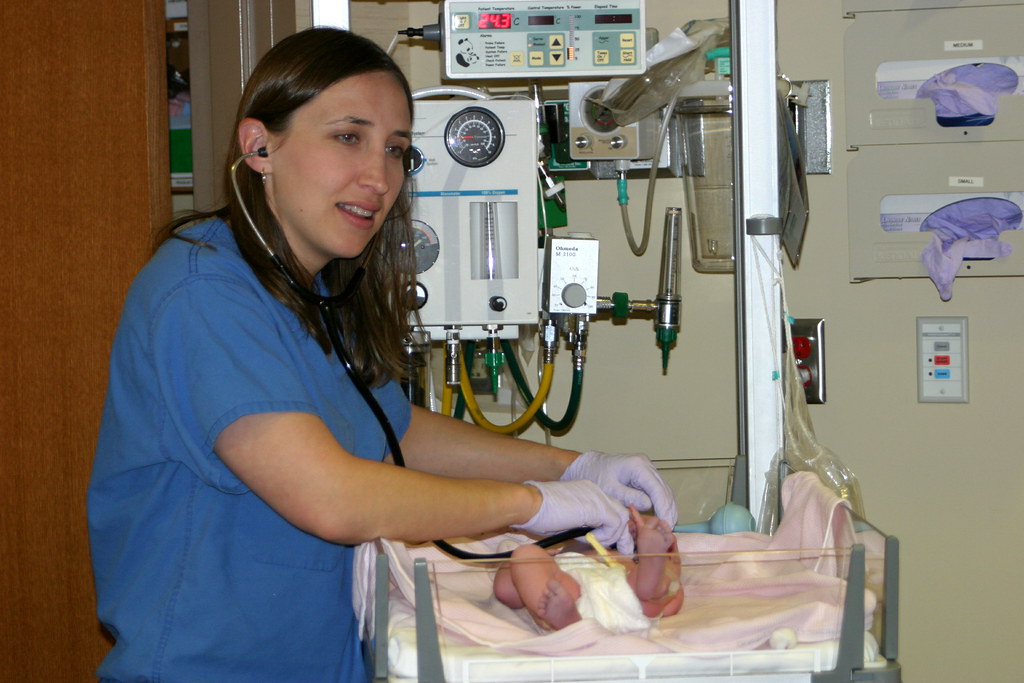
The clinic vs hospital nursing debate is as much about lifestyle as money. FQHC roles are mostly Monday through Friday, daytime hours, with limited weekend or holiday work. Hospital roles mean 12-hour shifts, nights, and rotating weekends — which is where a lot of that extra hospital pay actually comes from. Differentials pad the paycheck, but they are compensation for something real.
To be equally honest in the other direction: FQHC days are full. Visit volumes are real, the patient population is complex, and community health work asks a lot of clinicians. It is not an easier job than hospital work — it is a different job, with a steadier rhythm and patients you follow over years instead of days.
How to Compare Two Offers, Dollar for Dollar
When a candidate brings us an FQHC offer and a hospital offer, we walk through the same math every time. Annualize both base salaries. Add hospital differentials at the shifts you will realistically work, not the best case. Add loan repayment to the FQHC side — and remember a tax-free NHSC award is worth more than the same amount of taxable salary, often around a third more depending on your tax bracket. Subtract any malpractice premium you would pay out of pocket. Then compare retirement match and health plan costs, which quietly swing thousands either way. Only after the dollars are honest should you weigh the non-dollar column: schedule, commute, mission, and which patients you want to spend your career with.
Sometimes the hospital offer genuinely wins. When it does, we say so. But for clinicians carrying significant student debt, the FQHC package is often worth more in total than the base salary gap suggests — and plenty of people find the work itself is what keeps them there.
FQHC Salary vs. Hospital Pay: Frequently Asked Questions
Are FQHC salaries public?
Largely, yes. As nonprofits, FQHCs file public Form 990s that disclose executive compensation, and California’s pay transparency law requires employers of 15 or more to include pay ranges in job postings. You can usually see what a Sacramento health center pays before you ever apply.
Are FQHC employees federal employees?
No. Health centers are independent community nonprofits that receive federal funding. FTCA coverage means your malpractice protection runs through the federal government, but your employer, paycheck, and benefits are the health center’s own.
Is FQHC funding at risk?
FQHC revenue comes from a mix of enhanced Medicare and Medicaid rates, federal grants, and the 340B drug program, and federal budget fights do create real headlines. The fuller picture is that community health centers have held bipartisan support for decades because they are often the only primary care in the neighborhoods they serve. Our honest advice: ask any health center you interview with how their funding is positioned — a good one will answer you plainly.
Are FQHCs nonprofit, and do they count for PSLF?
Almost always. Health centers are generally 501(c)(3) nonprofits or public agencies, and both are qualifying employers for Public Service Loan Forgiveness. If you are counting on PSLF, confirm the specific employer with the Federal Student Aid PSLF Help Tool before you sign.
Can you make six figures at an FQHC?
In many roles, yes. NPs, PAs, dentists, and physicians at Sacramento-area health centers typically earn well into six figures, and full-time RNs near the top of FQHC ranges can cross that line too. To see what is open right now, browse our current jobs or send us your resume and we will match you with roles that fit.
Weighing an Offer in Sacramento? Talk It Through With Us
If you are comparing community health center pay against a hospital offer anywhere in the Sacramento region or the Bay Area, text or call us at (916) 796-4020. We will give you a straight read on both offers — including when the answer is to take the hospital job. No pressure, no runaround. You can also send us your resume or reach us through our contact page.
Pure Heart Staffing | With Your Best Interest at Heart | pureheartstaffing.com