If you have been job hunting in Sacramento healthcare, you have probably seen the term FQHC and wondered what it means for your career. So what is an FQHC? It stands for Federally Qualified Health Center, a community-based clinic that receives federal funding to provide primary care, dental, and behavioral health services to everyone in a community, regardless of their ability to pay. For clinicians, these centers are some of the most rewarding and stable places to work in the region.
Pure Heart Staffing places nurses, dentists, behavioral health clinicians, and allied health professionals into FQHC and community health roles across Sacramento and the Bay Area. Here is a plain-language guide to what these centers are and why so many clinicians build long careers in them.
What an FQHC actually is
A Federally Qualified Health Center is a nonprofit or public clinic that meets a specific set of federal requirements and, in return, receives funding and support through the federal Health Resources and Services Administration. To qualify, a center has to serve a medically underserved area or population, offer care on a sliding fee scale based on income, and be governed by a board made up largely of the patients it serves. That last part matters: FQHCs are accountable to their communities, not to shareholders.
In practice, that means an FQHC sees a wide mix of patients, from families on Medi-Cal to uninsured workers to people experiencing homelessness. The work is real primary care: managing chronic conditions, prenatal visits, childhood vaccinations, dental cleanings, and mental health support, often all under one roof.

Why clinicians choose community health center careers
Plenty of clinicians come to community health center careers in Sacramento for the mission, and stay for the practical benefits. A few of the most meaningful ones:
- Loan repayment. FQHC sites are scored as National Health Service Corps locations, which can make providers eligible for tax-free student loan repayment — up to $50,000 for a two-year commitment, and more for some primary care roles — in exchange for service. For nurses, dentists, and behavioral health clinicians carrying school debt, this is often the single biggest financial draw.
- Malpractice coverage. Many FQHC providers are covered under the Federal Tort Claims Act, which functions as malpractice protection for care delivered within the scope of the job. That removes a real cost and worry from a clinician’s plate.
- Predictable schedules. Most FQHC roles are clinic-based and daytime, which tends to mean steadier hours than hospital floor work.
- Team-based care. You are rarely working alone. FQHCs lean on care teams, so medical assistants, nurses, providers, and behavioral health staff coordinate closely.
None of this means FQHC work is easy. Patient needs are often complex, and the populations served can carry real social and medical challenges. But for clinicians who want their work to matter, that is frequently the point.

The roles FQHCs hire for
Federally qualified health center jobs span almost every clinical discipline. In the Sacramento area, the roles we place most often into community health include registered nurses and LVNs, medical assistants, family and internal medicine providers, nurse practitioners and physician assistants, general dentists and registered dental hygienists, and behavioral health clinicians such as LCSWs and LMFTs. Allied health and care coordination roles round out the picture.
Because FQHCs deliver integrated care, the day-to-day can be broader than a specialty clinic. A nurse might support chronic disease management in the morning and help with a vaccination clinic in the afternoon. For clinicians who like variety and continuity with patients, that breadth is a feature, not a bug.
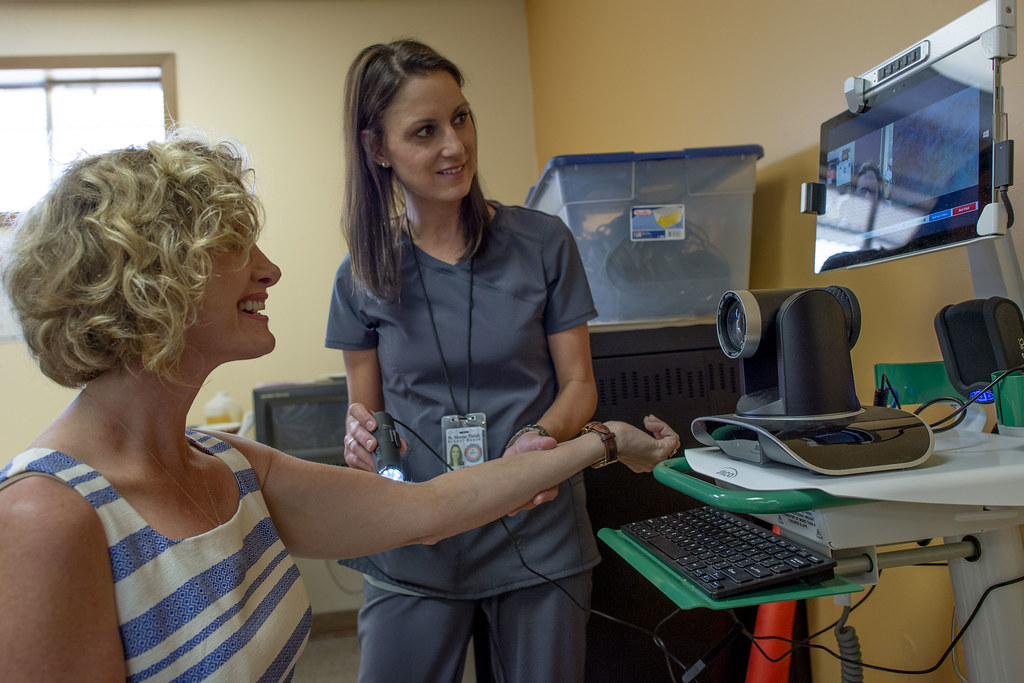
FQHCs in the Sacramento area
Sacramento has a strong community health presence. Organizations like WellSpace Health operate multiple clinic sites across the county, delivering primary care, dental, and behavioral health to tens of thousands of residents each year. These centers, along with other community health programs throughout the region and the Bay Area, are consistently hiring as demand for accessible care grows.
If you are early in your career, an FQHC can be an excellent place to build broad clinical skills. If you are experienced, it can be a place to practice the kind of patient-centered medicine that drew you to healthcare in the first place, often with loan repayment and solid benefits attached.
Is an FQHC right for you?
Honest answer: it depends on what you want. If you are chasing the highest possible hourly rate and prefer a narrow scope, a specialty or hospital role may pay more in the short term. But if you value mission, schedule stability, loan repayment, and the chance to serve your own community, an FQHC is hard to beat. Many clinicians find the total package, financial and personal, comes out ahead.
The best way to know is to talk it through with someone who knows the local landscape and will give you a straight answer, even if that answer is that a different setting fits you better right now.
What Is an FQHC? Frequently Asked Questions
What does FQHC stand for?
FQHC stands for Federally Qualified Health Center — a community-based clinic funded through the HRSA Health Center Program to provide primary care, dental, and behavioral health services on a sliding fee scale, regardless of a patient’s ability to pay.
How is an FQHC different from a regular clinic?
Unlike a private practice, an FQHC must serve a medically underserved area, offer income-based sliding-scale fees, and be governed by a patient-majority board. In return it receives federal support and, for many providers, Federal Tort Claims Act malpractice coverage.
Do FQHC jobs qualify for student loan repayment?
Yes. Because FQHCs are National Health Service Corps-approved sites, eligible nurses, dentists, providers, and behavioral health clinicians can earn tax-free loan repayment — up to $50,000 for a two-year commitment, and more for some primary care roles.
Are FQHCs hiring in the Sacramento area?
Yes. Sacramento-area community health centers hire across nursing, dental, primary care, and behavioral health. You can browse current openings or reach out to Pure Heart Staffing to talk through the right fit.
Looking for an FQHC role in Sacramento?
If community health sounds like your kind of work, we would love to help you find the right fit. Pure Heart Staffing knows the Sacramento and Bay Area FQHC landscape, and we will be honest with you about pay, schedule, and whether a given role actually matches what you are after, no pressure and no runaround. Text or call us at (916) 796-4020 and tell us what you are looking for.
Pure Heart Staffing | With Your Best Interest at Heart | pureheartstaffing.com